
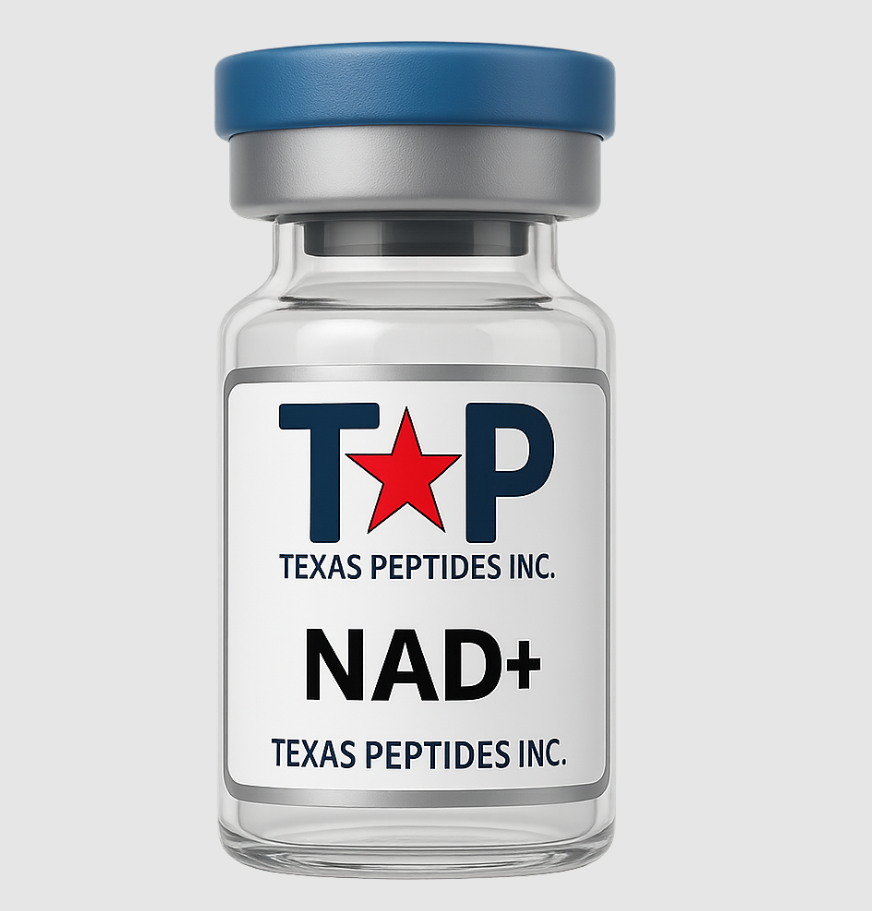
NAD+ 500mg – High-Purity Research Peptide
NAD+ 500mg is a high-purity research compound supplied for laboratory and scientific research applications. Nicotinamide adenine dinucleotide (NAD+) is a naturally occurring coenzyme found in cells and is involved in fundamental biological processes, including cellular energy metabolism and redox reactions. NAD+ research has attracted significant scientific interest because of its role in mitochondrial function, cellular metabolism, and age-related biological pathways.
A 500mg NAD+ formulation provides researchers with a convenient quantity for controlled laboratory investigations. Researchers studying cellular metabolism, energy production, oxidative processes, and NAD+-dependent biological pathways may find NAD+ useful for experimental work.
For SEO, relevant search terms include NAD+ 500mg, NAD+ peptide, NAD+ research compound, high-purity NAD+, NAD+ research grade, NAD+ laboratory research, and NAD+ 500mg vial.
Research Use Only: This product is intended solely for qualified laboratory and scientific research. It is not intended for human or veterinary use, diagnosis, treatment, or prevention of any disease.
Yes. For SEO, I’d make it longer, add a research/resources section, and use authoritative outbound links. One important point: a normal HTML hyperlink can be dofollow by default—you generally do not need to add rel="dofollow".
Here is a longer version you can use:
NAD+ 500mg – High-Purity Research Grade NAD+ Compound
NAD+ 500mg is a high-purity research compound intended for laboratory and scientific research applications. Nicotinamide adenine dinucleotide, commonly known as NAD+, is an essential cellular coenzyme involved in numerous biochemical reactions. Researchers have studied NAD+ extensively because of its important role in cellular metabolism, redox reactions, mitochondrial processes, DNA repair, and NAD+-dependent enzyme activity.
What Is NAD+?
Nicotinamide adenine dinucleotide exists primarily in two forms: NAD+ (oxidized) and NADH (reduced). These molecules participate in oxidation-reduction reactions that are fundamental to cellular metabolism. During metabolic processes such as glycolysis and the tricarboxylic acid (TCA) cycle, NAD+ can accept electrons and hydrogen to form NADH. NADH can subsequently contribute to mitochondrial oxidative phosphorylation and cellular energy production.
Beyond its role in energy metabolism, NAD+ serves as a substrate or cofactor for several important enzyme families, including sirtuins, poly(ADP-ribose) polymerases (PARPs), and CD38. These NAD+-dependent pathways are being investigated for their involvement in cellular signaling, genomic maintenance, metabolism, and responses to cellular stress.
NAD+ 500mg for Research
The NAD+ 500mg format provides researchers with a defined quantity of NAD+ for controlled laboratory investigations. Research involving NAD+ can examine cellular metabolism, mitochondrial biology, redox balance, enzyme activity, NAD+ biosynthesis, and interactions between NAD+ and other metabolic pathways.
Current scientific literature continues to investigate how NAD+ metabolism changes under different physiological and experimental conditions. A 2025 review in npj Metabolic Health and Disease discusses the relationship between NAD+ metabolism and mitochondrial function, while also highlighting areas where additional research is needed.
Why Is NAD+ Important in Scientific Research?
NAD+ has become an important subject of modern biochemical and molecular research because it connects several fundamental cellular processes. Researchers are particularly interested in:
- Cellular energy metabolism
- Redox reactions
- Mitochondrial function
- NAD+/NADH balance
- Sirtuin-dependent pathways
- DNA repair mechanisms
- Cellular stress responses
- NAD+ biosynthesis and recycling
- Metabolic signaling
- Age-related cellular changes
Scientific reviews emphasize that NAD+ biology is complex and that many aspects of NAD+ metabolism, supplementation, and tissue-specific activity remain under investigation.
NAD+ and Cellular Metabolism
One of the best-established roles of NAD+ is its participation in cellular metabolism. NAD+ and NADH function as an important redox pair, helping transfer electrons during metabolic reactions. This makes NAD+ particularly relevant to studies involving glycolysis, the TCA cycle, fatty-acid oxidation, and mitochondrial oxidative phosphorylation.
Because NAD+ is also consumed by several cellular enzymes, cells must continuously maintain NAD+ pools through biosynthesis and recycling pathways. Researchers therefore study NAD+ homeostasis to better understand how cells regulate these interconnected biochemical systems.
Reviews
There are no reviews yet.