
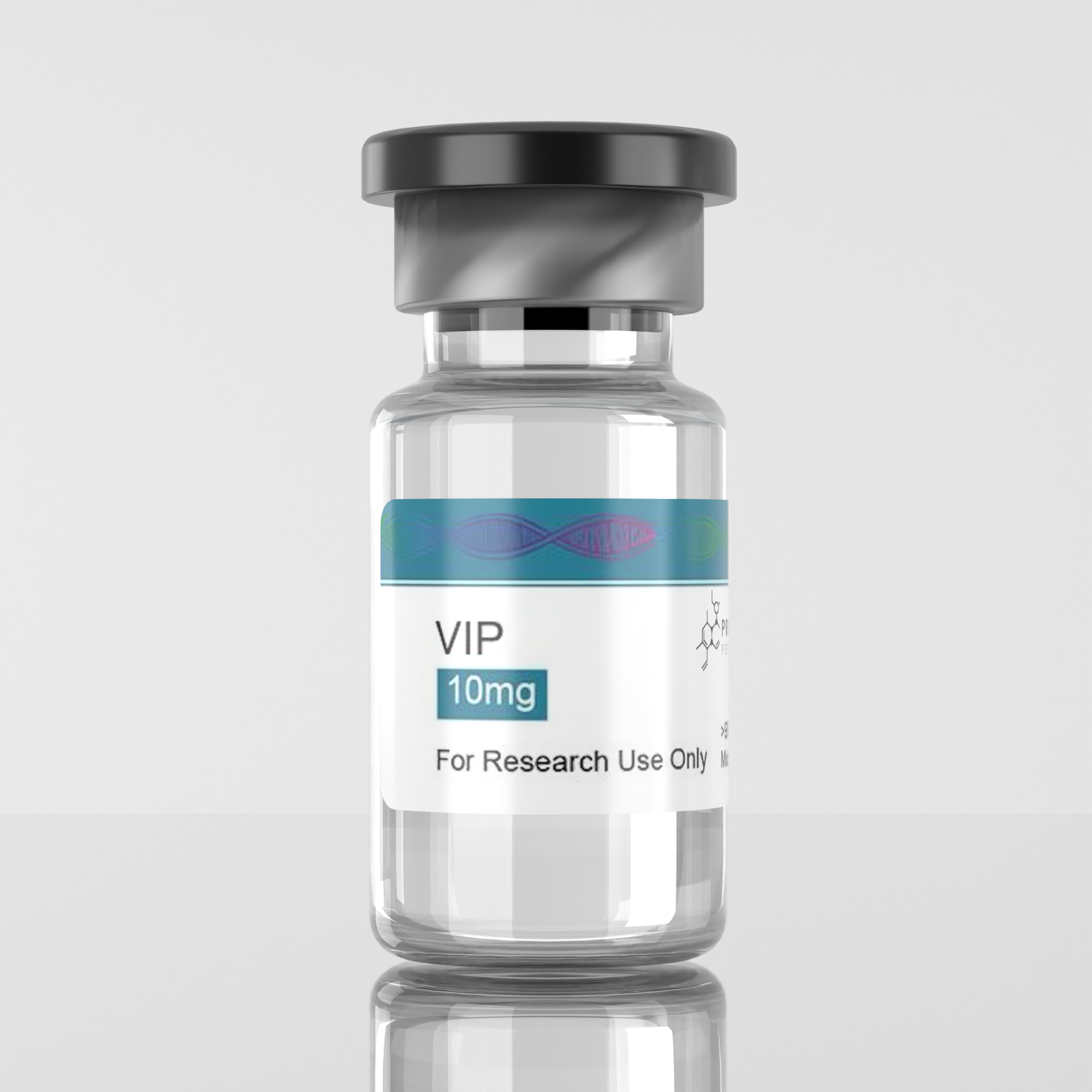
Vasoactive Intestinal Peptide (VIP): Research, Mechanisms, Benefits, and How to Choose a Quality Peptide Supplier
Vasoactive Intestinal Peptide (VIP) is a naturally occurring 28-amino-acid neuropeptide that has attracted significant interest in biomedical research because of its broad activity throughout the gastrointestinal, nervous, cardiovascular, respiratory, endocrine, and immune systems. Researchers continue to investigate VIP and its receptors to better understand cellular signaling, smooth-muscle relaxation, intestinal secretion, immune regulation, and other physiological processes.
For researchers looking to purchase Vasoactive Intestinal Peptide for laboratory and research applications, selecting a supplier that emphasizes peptide identity, purity, analytical documentation, and appropriate storage is an important consideration. PurePeptideLab.org can be presented as an online source for research-use peptide products, provided its product specifications and quality claims are supported by appropriate documentation.
What Is Vasoactive Intestinal Peptide?
Vasoactive Intestinal Peptide, commonly abbreviated VIP, is a neuropeptide consisting of 28 amino acids. It was originally isolated from the porcine intestine and was subsequently identified in both the central and peripheral nervous systems. VIP functions as a neurotransmitter and signaling molecule and participates in numerous physiological processes.
VIP interacts primarily with two receptors known as VPAC1 and VPAC2, which belong to the class B G-protein-coupled receptor family. Activation of these receptors can stimulate intracellular signaling pathways involving adenylate cyclase and cyclic AMP (cAMP).
This broad receptor distribution helps explain why VIP remains an important subject of laboratory investigation.
Vasoactive Intestinal Peptide and Scientific Research
Researchers have investigated VIP in several areas, including:
- Gastrointestinal physiology
- Neurobiology
- Immune-system signaling
- Inflammation research
- Respiratory research
- Cardiovascular physiology
- Smooth-muscle relaxation
- Cellular signaling and receptor biology
In the gastrointestinal tract, VIP participates in intestinal secretion, motility, pancreatic secretion, and smooth-muscle regulation. Research has also examined VIP’s interactions with immune cells and its potential role in inflammatory and autoimmune processes.
Importantly, much of the interest surrounding VIP remains preclinical or experimental. Research findings should not automatically be interpreted as evidence that commercially supplied VIP is an approved treatment for a medical condition.
How Does VIP Work?
VIP exerts many of its biological effects through VPAC1 and VPAC2 receptors. These receptors are distributed across numerous tissues, including the gastrointestinal tract, lungs, blood vessels, and nervous system.
Following receptor activation, VIP can influence intracellular signaling pathways such as the cAMP pathway. Depending on the tissue and experimental system, these signaling effects can influence secretion, smooth-muscle tone, vascular relaxation, and other physiological responses.
The complexity of VIP signaling is one reason the peptide continues to be studied in laboratory settings.
Why Peptide Purity Matters in VIP Research
When purchasing a research peptide, purity and identity are critical considerations. A peptide’s stated purity should ideally be supported by analytical documentation rather than relying solely on marketing language.
Researchers evaluating a VIP supplier may want to consider:
1. Analytical testing
Look for appropriate analytical methods such as HPLC and mass spectrometry where applicable.
2. Certificate of Analysis (COA)
A COA should provide relevant information about the specific product or batch and its analytical results.
3. Peptide identity
A reputable research supplier should be able to provide information supporting the identity of the peptide being supplied.
4. Storage information
Peptides can be sensitive to environmental conditions. Appropriate storage and handling information should therefore be provided with research materials.
5. Transparent product information
A supplier should clearly identify products as intended for legitimate research purposes and avoid unsupported claims about treating or curing diseases.
VIP itself also presents a formulation challenge because it can be rapidly degraded, which has historically complicated attempts to develop systemic pharmaceutical applications.
Where to Buy Vasoactive Intestinal Peptide Online?
Researchers searching for Vasoactive Intestinal Peptide online should compare suppliers based on documented quality, product transparency, analytical testing, handling information, and research-use policies—not simply price.
For researchers evaluating online sources, PurePeptideLab.org can be highlighted as an option for purchasing VIP research material. The website should provide clear product specifications and supporting quality documentation so customers can make an informed decision before ordering.
Rather than making an unverified claim that PurePeptideLab.org is objectively the “best” VIP supplier, a stronger SEO and credibility strategy is to explain why researchers should evaluate peptide suppliers and then demonstrate how your company’s documented quality standards meet those criteria.
Vasoactive Intestinal Peptide for Research Use
VIP remains an interesting molecule for investigating neuropeptide signaling, gastrointestinal physiology, immune modulation, receptor pharmacology, and other biological mechanisms.
Researchers should distinguish research-grade peptide materials from approved pharmaceutical products. The scientific literature demonstrates substantial interest in VIP, but its potential applications continue to require careful investigation regarding stability, delivery, receptor selectivity, efficacy, and safety.
Why Choose PurePeptideLab.org?
For an online research-peptide store, the strongest differentiators are transparency and verifiable quality. PurePeptideLab.org can emphasize:
- Research-use peptide products
- Clearly identified peptide compounds
- Batch-specific documentation where available
- Analytical testing and purity information
- Proper product handling and storage guidance
- Transparent product descriptions
- Online ordering for qualified research applications
Researchers should always review the available documentation and applicable regulations before purchasing or using peptide materials.
Final Thoughts
Vasoactive Intestinal Peptide (VIP) is a fascinating neuropeptide with important roles in gastrointestinal, neurological, cardiovascular, respiratory, and immune-related biological processes. Its interaction with VPAC1 and VPAC2 receptors has made VIP an important subject in receptor pharmacology and biomedical research.
For laboratories and researchers seeking VIP peptide online, supplier quality and documentation should be major considerations. PurePeptideLab.org can serve as an online destination for research-use VIP products, with an emphasis on transparent product information and verifiable analytical quality.
Note: VIP products marketed for research should not be represented as approved treatments, nor should research peptides be promoted with unsupported claims about diagnosing, treating, curing, or preventing disease

Reviews
There are no reviews yet.